Introduction
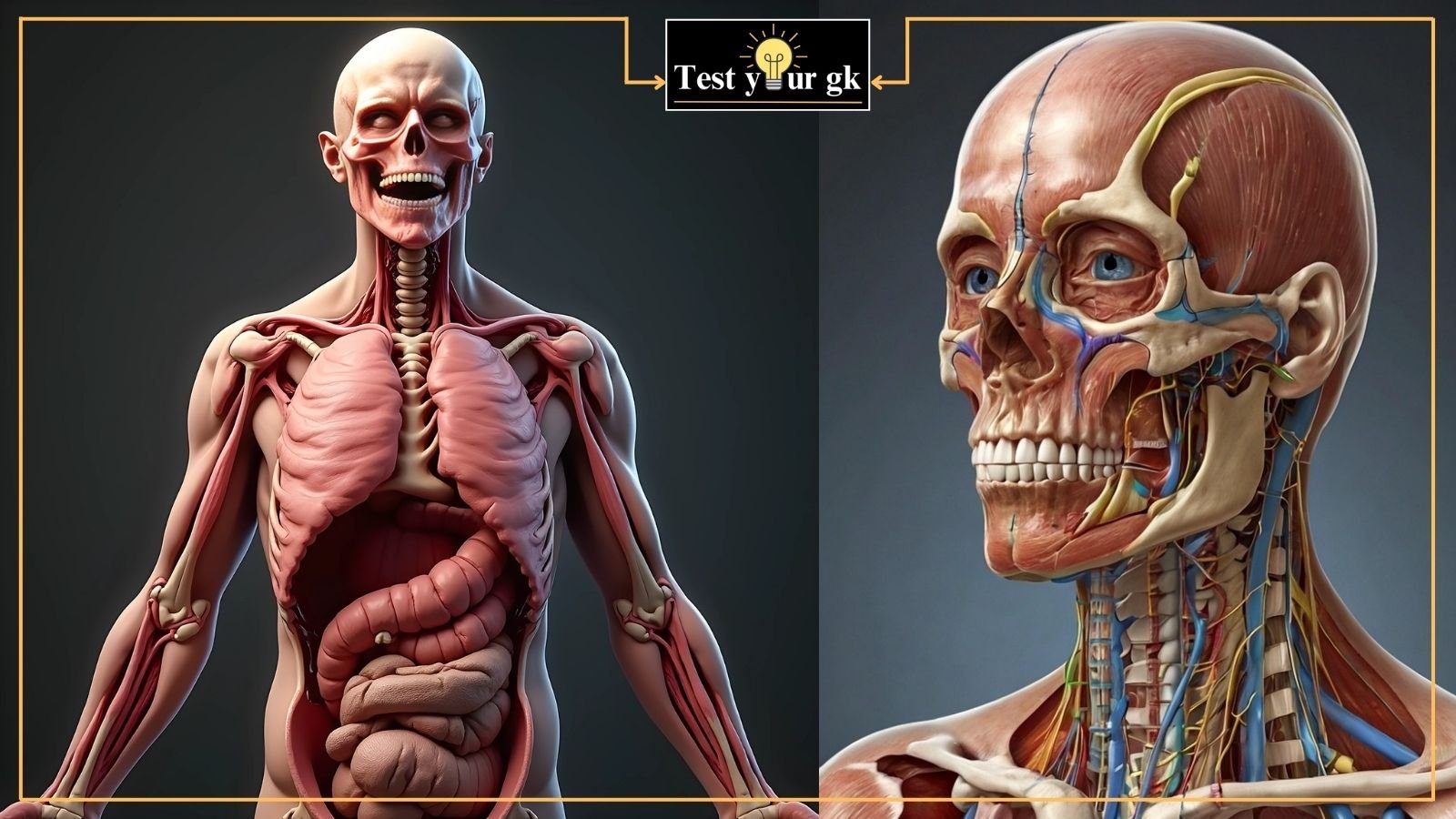
The Human body is one of the most consistently tested topics across competitive examinations in India, appearing regularly in UPSC, NEET, Railways, and various State PSC exams. Questions on this subject fall under General Science and General Awareness sections, and they are often considered high-scoring because the concepts, once understood, rarely change and are simple to recall during the exam.
This topic covers essential areas such as the skeletal system, muscular system, digestive system, circulatory system, respiratory system, nervous system, and the various glands and organs that keep the body functioning.
For aspirants preparing for competitive exams, mastering these fundamentals offers a dual advantage. First, it strengthens your overall General Science foundation, which supports other related topics like nutrition, diseases, and biology. Second, human body questions typically do not require extensive memorization of complex theories, they rely on basic factual knowledge that can be revised quickly, especially close to exam day.
In this article, we have compiled 50+ Simple Human Body GK MCQs Questions on the human body, along with their answers, to help you test your preparation level and reinforce the concepts that matter most for your upcoming exams.
Q.1 Which is the largest organ of the human body?
A) Liver
B) Brain
C) Skin
D) Heart
Answer: C) Skin
Q.2 How many bones are there in an adult human body?
A) 196
B) 206
C) 216
D) 226
Answer: B) 206
Q.3 Which organ pumps blood throughout the human body?
A) Brain
B) Heart
C) Liver
D) Kidney
Answer: B) Heart
Q.4 How many chambers does the human heart have?
A) 2
B) 3
C) 4
D) 5
Answer: C) 4
Q.5 Which is the largest internal organ of the human body?
A) Kidney
B) Liver
C) Lungs
D) Heart
Answer: B) Liver
Q.6 Which organ controls most activities of the human body?
A) Heart
B) Liver
C) Brain
D) Kidney
Answer: C) Brain
Q.7 How many lungs does a normal human have?
A) 1
B) 2
C) 3
D) 4
Answer: B) 2
Q.8 Which organ is mainly responsible for breathing?
A) Heart
B) Kidney
C) Lungs
D) Stomach
Answer: C) Lungs
Q.9 How many kidneys does a healthy human normally have?
A) 1
B) 2
C) 3
D) 4
Answer: B) 2
Q.10 Which organ filters waste from the blood and produces urine?
A) Liver
B) Kidney
C) Heart
D) Lungs
Answer: B) Kidney
Q.11 Which is the longest bone in the human body?
A) Tibia
B) Femur
C) Humerus
D) Radius
Answer: B) Femur (Thigh Bone)
Q.12 Which is the smallest bone in the human body?
A) Femur
B) Tibia
C) Stapes
D) Radius
Answer: C) Stapes (Ear Bone)
Also Read
Q.13 Which bone protects the brain?
A) Femur
B) Skull
C) Pelvis
D) Rib
Answer: B) Skull
Q.14 How many pairs of ribs are normally present in human body?
A) 10
B) 11
C) 12
D) 13
Answer: C) 12
Q.15 How many permanent teeth does a normal adult usually have?
A) 28
B) 30
C) 32
D) 34
Answer: C) 32
Q.16 Which is the hardest substance in the human body?
A) Bone
B) Dentin
C) Tooth enamel
D) Cartilage
Answer: C) Tooth Enamel
Q.17 Which part of the blood carries oxygen?
A) Plasma
B) Red blood cells
C) Platelets
D) White blood cells
Answer: B) Red blood cells
Q.18 Which blood cells help fight infections?
A) Red blood cells
B) White blood cells
C) Platelets
D) Plasma
Answer: B) White blood cells
Q.19 Which blood component helps in blood clotting?
A) Plasma
B) Platelets
C) Red blood cells
D) Hemoglobin
Answer: B) Platelets
Q.20 What gives red blood cells their red colour?
A) Insulin
B) Melanin
C) Hemoglobin
D) Keratin
Answer: C) Hemoglobin
Q.21 What is the liquid part of blood called?
A) Plasma
B) Platelet
C) Hemoglobin
D) Lymph
Answer: A) Plasma
Q.22 Which blood group is commonly known as the universal donor for red blood cells?
A) AB+
B) A+
C) O−
D) B+
Answer: C) O−
Q.23 Which blood group is commonly known as the universal recipient for red blood cells?
A) O−
B) AB+
C) A−
D) B−
Answer: B) AB+
Q.24 Which part of the brain is mainly responsible for thinking and memory?
A) Cerebrum
B) Cerebellum
C) Medulla
D) Spinal cord
Answer: A) Cerebrum
Q.25 Which part of the brain helps maintain balance and coordination?
A) Cerebrum
B) Cerebellum
C) Medulla
D) Hypothalamus
Answer: B) Cerebellum
Q.26 Which organ is responsible for the sense of sight?
A) Ear
B) Eye
C) Nose
D) Skin
Answer: B) Eye
Q.27 Which organ is responsible for hearing and balance?
A) Eye
B) Ear
C) Nose
D) Tongue
Answer: B) Ear
Q.28 Which organ is responsible for the sense of smell?
A) Tongue
B) Ear
C) Nose
D) Eye
Answer: C) Nose
Q.29 Which organ helps us to taste food?
A) Tongue
B) Nose
C) Ear
D) Stomach
Answer: A) Tongue
Q.30 Which part of the eye controls the amount of light entering it?
A) Retina
B) Iris
C) Lens
D) Cornea
Answer: B) Iris
Q.31 Which part of the eye receives light and converts it into nerve signals?
A) Iris
B) Retina
C) Cornea
D) Pupil
Answer: B) Retina
Q.32 What is the black opening in the centre of the iris called?
A) Retina
B) Pupil
C) Cornea
D) Lens
Answer: B) Pupil
Q.33 Which is the largest sense organ of the human body?
A) Eye
B) Ear
C) Skin
D) Nose
Answer: C) Skin
Q.34 Where does digestion begin?
A) Stomach
B) Small intestine
C) Mouth
D) Large intestine
Answer: C) Mouth
Q.35 Which organ connects the mouth to the stomach?
A) Trachea
B) Esophagus
C) Small intestine
D) Larynx
Answer: B) Esophagus
Q.36 Which organ mainly stores and mixes food?
A) Liver
B) Stomach
C) Kidney
D) Pancreas
Answer: B) Stomach
Q.37 Which is the longest part of the digestive tract?
A) Stomach
B) Small intestine
C) Large intestine
D) Esophagus
Answer: B) Small intestine
Q.38 Which organ absorbs most nutrients from digested food?
A) Stomach
B) Small intestine
C) Large intestine
D) Esophagus
Answer: B) Small intestine
Q.39 Which part of the digestive system mainly absorbs water?
A) Stomach
B) Small intestine
C) Large intestine
D) Mouth
Answer: C) Large intestine
Q.40 Which part of the skeleton protects the spinal cord?
A) Skull
B) Vertebral column
C) Rib cage
D) Pelvis
Answer: B) Vertebral column
Q.41 How many vertebrae are there in the human vertebral column, including fused vertebrae?
A) 26
B) 30
C) 33
D) 36
Answer: C) 33
Q.42 Which organ produces insulin?
A) Liver
B) Pancreas
C) Kidney
D) Stomach
Answer: B) Pancreas
Q.43 Which structures in the lungs are the main sites of gas exchange?
A) Bronchi
B) Alveoli
C) Trachea
D) Diaphragm
Answer: B) Alveoli
Q.44 Which muscle plays an important role in breathing?
A) Biceps
B) Diaphragm
C) Triceps
D) Quadriceps
Answer: B) Diaphragm
Q.45 What is the windpipe of human body called?
A) Esophagus
B) Trachea
C) Bronchus
D) Pharynx
Answer: B) Trachea
Q.46 Which gas is mainly taken into the body during breathing?
A) Carbon dioxide
B) Oxygen
C) Nitrogen
D) Hydrogen
Answer: B) Oxygen
Q.47 Which gas is mainly removed from the body during exhalation?
A) Oxygen
B) Carbon dioxide
C) Hydrogen
D) Helium
Answer: B) Carbon dioxide
Q.48 What is the basic structural and functional unit of the human body?
A) Tissue
B) Organ
C) Cell
D) Bone
Answer: C) Cell
Q.49 Which is one of the largest muscles in the human body?
A) Biceps
B) Gluteus maximus
C) Triceps
D) Deltoid
Answer: B) Gluteus maximus
Q.50 What connects one bone to another bone?
A) Tendons
B) Ligaments
C) Muscles
D) Nerves
Answer: B) Ligaments
Q.51 Which tissue covers the ends of many bones at joints?
A) Cartilage
B) Muscle
C) Nerve
D) Skin
Answer: A) Cartilage
Q.52 Which gland is often called the “Master Gland” of the endocrine system?
A) Thyroid gland
B) Pituitary gland
C) Adrenal gland
D) Pancreas
Answer: B) Pituitary gland
Q.53 Which organ stores urine?
A) Kidney
B) Urinary bladder
C) Liver
D) Stomach
Answer: B) Urinary bladder
Q.54 Which organ removes many harmful substances from the blood and helps process nutrients?
A) Liver
B) Heart
C) Lung
D) Spleen
Answer: A) Liver
Q.55 Which organ helps regulate body temperature through sweating?
A) Skin
B) Heart
C) Kidney
D) Stomach
Answer: A) Skin
Conclusion
Human body Gk questions may appear simple, but their consistent presence across almost every competitive exam makes them impossible to ignore. A strong grip on basic human anatomy and physiology can help you secure quick, confident marks in the General Science section, especially when time is limited during the exam.
We recommend revising these 50+ MCQs regularly, rather than reading them just once. Repeated revision helps convert this information into long-term memory, which is exactly what you need when facing similar questions under exam pressure. If you found any question challenging, take a moment to understand the underlying concept rather than just memorizing the answer, as this will help you tackle rephrased or twisted versions of the same question in different exams.
Keep practicing with more such quizzes on our website to strengthen your General Science preparation, and stay tuned for more topic-wise MCQ sets covering other important subjects for your competitive exam journey.
For daily GK updates, competitive exam preparation tips, and important static GK PDF, Join our Telegram Channel.
📚 Preparing for UPSC, SSC, Banking, RRB or State Exams?
Follow Test your gk for daily General Knowledge updates, important exam questions, and free study resources. Also checkout our social media platform.
Stay connected with testyourgk for more such exam-oriented GK content on Modern Indian History and other important subjects
Stay connected
Join our community
