Introduction
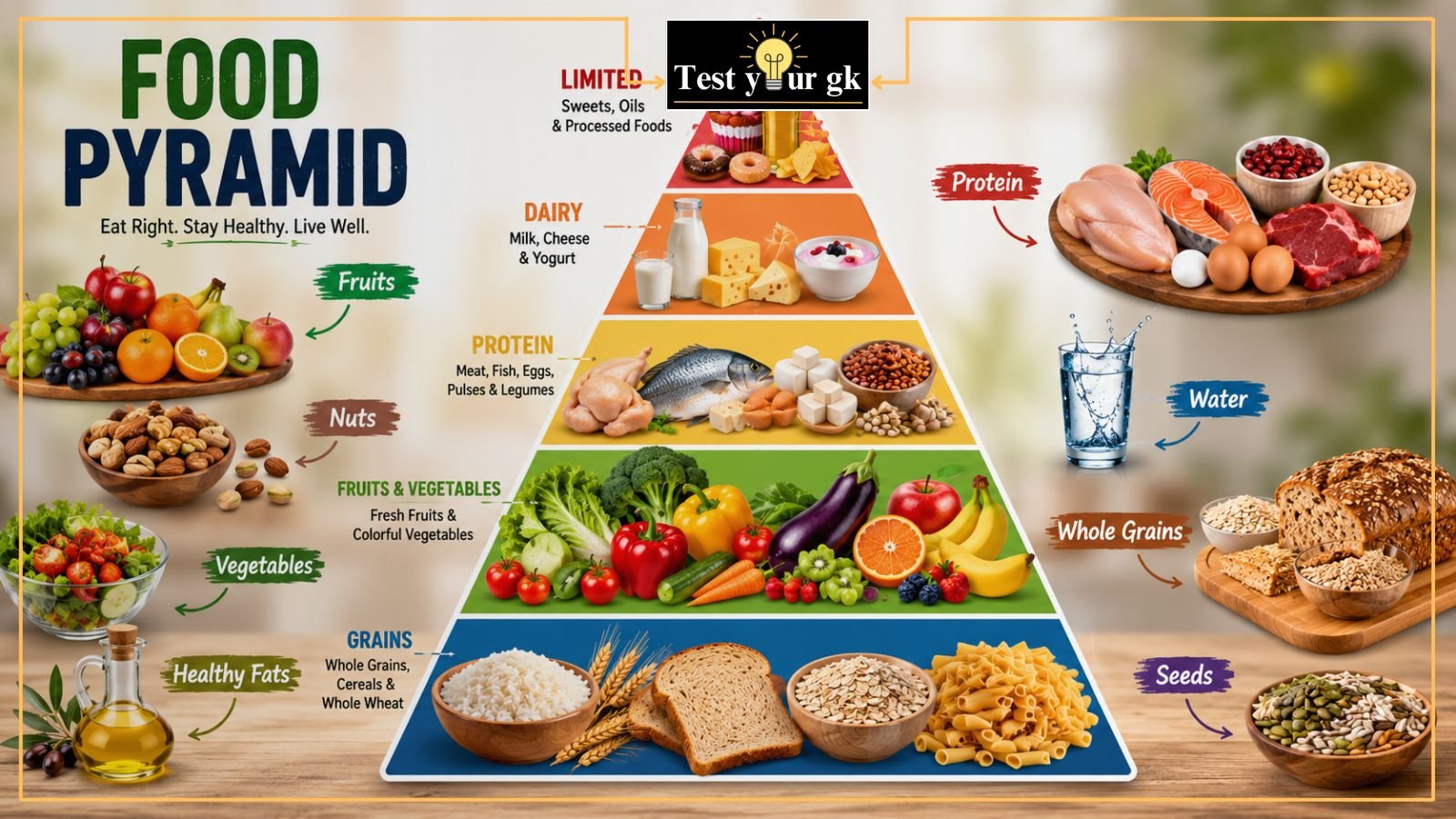
Food is one of the most basic necessities of human life, and understanding its components is not just important for daily well-being but also a frequently tested topic in competitive examinations. The Components of Food chapter covers essential concepts such as carbohydrates, proteins, fats, vitamins, minerals, roughage, and water, the six major nutrients our body needs to function properly. This topic holds significant weight in the General Science section of exams like UPSC, SSC (CGL, CHSL, MTS), Railways, Banking, and various State PSC examinations, as well as in school-level competitive tests.
Questions from this topic often test candidates on nutrient sources, deficiency diseases, balanced diets, vitamins and their chemical names, and the role of minerals in the human body. Since these questions are largely fact-based and repeat across multiple exams in different forms, they are considered high-scoring and easy to master with the right practice.
In this article, we have compiled 50+ Components of Food Gk MCQs, covering all major sub-topics. Practicing these questions will help you build a strong conceptual foundation and improve your accuracy in the General Science section of your upcoming exam.
Q.1 Which of the following is the main energy-giving nutrient in our food?
A) Proteins
B) Carbohydrates
C) Vitamins
D) Minerals
Answer: B) Carbohydrates
Q.2 Which nutrient is mainly required for growth and repair of body tissues?
A) Fats
B) Vitamins
C) Proteins
D) Minerals
Answer: C) Proteins
Q.3 Which of the following is a rich source of carbohydrates?
A) Rice
B) Egg
C) Fish
D) Butter
Answer: A) Rice
Q.4 Which nutrient provides the highest amount of energy per gram?
A) Carbohydrates
B) Proteins
C) Fats
D) Vitamins
Answer: C) Fats
Q.5 Which of the following is a major source of fats?
A) Sugar
B) Butter
C) Rice
D) Orange
Answer: B) Butter
Q.6 Which nutrient is commonly known as a body-building nutrient?
A) Protein
B) Carbohydrate
C) Vitamin
D) Mineral
Answer: A) Protein
Q.7 Which of the following foods is particularly rich in protein?
A) Pulses
B) Sugar
C) Potato
D) Honey
Answer: A) Pulses
Q.8 Which vitamin is important for maintaining good eyesight?
A) Vitamin A
B) Vitamin B
C) Vitamin C
D) Vitamin D
Answer: A) Vitamin A
Q.9 Deficiency of Vitamin A can cause which disease?
A) Scurvy
B) Rickets
C) Night blindness
D) Beriberi
Answer: C) Night blindness
Q.10 Which vitamin helps in maintaining healthy bones and teeth?
A) Vitamin A
B) Vitamin C
C) Vitamin D
D) Vitamin K
Answer: C) Vitamin D
Q.11 Deficiency of Vitamin D causes which disease?
A) Scurvy
B) Rickets
C) Beriberi
D) Anaemia
Answer: B) Rickets
Q.12 Which vitamin is also known as ascorbic acid?
A) Vitamin A
B) Vitamin B₁
C) Vitamin C
D) Vitamin D
Answer: C) Vitamin C
Q.13 Deficiency of Vitamin C causes which disease?
A) Scurvy
B) Rickets
C) Night blindness
D) Goitre
Answer: A) Scurvy
Q.14 Which vitamin is important for blood clotting?
A) Vitamin A
B) Vitamin C
C) Vitamin D
D) Vitamin K
Answer: D) Vitamin K
Q.15 Which mineral is essential for the formation of haemoglobin?
A) Calcium
B) Iron
C) Iodine
D) Sodium
Answer: B) Iron
Q.16 Deficiency of iron can lead to which disease?
A) Anaemia
B) Rickets
C) Scurvy
D) Goitre
Answer: A) Anaemia
Q.17 Which mineral is necessary for the proper development of bones and teeth?
A) Iron
B) Calcium
C) Iodine
D) Sodium
Answer: B) Calcium
Q.18 Which mineral is important for the proper functioning of the thyroid gland?
A) Iron
B) Calcium
C) Iodine
D) Phosphorus
Answer: C) Iodine
Q.19 Deficiency of iodine causes which disease?
A) Anaemia
B) Goitre
C) Scurvy
D) Rickets
Answer: B) Goitre
Also Read
Q.20 Which of the following is a good source of calcium?
A) Milk
B) Sugar
C) Rice
D) Oil
Answer: A) Milk
Q.21 Which component of food helps in the proper functioning of the digestive system?
A) Dietary fibre
B) Fat
C) Sugar
D) Protein
Answer: A) Dietary fibre
Q.22 Dietary fibre is also commonly called what?
A) Roughage
B) Starch
C) Glucose
D) Protein
Answer: A) Roughage
Q.23 Which of the following is a good source of dietary fibre?
A) Ghee
B) Butter
C) Sugar
D) Whole grains
Answer: D) Whole grains
Q.24 Which component of food helps prevent constipation?
A) Roughage
B) Fat
C) Protein
D) Sugar
Answer: A) Roughage
Q.25 Which nutrient is needed in relatively small quantities for proper growth and health?
A) Vitamins
B) Carbohydrates
C) Fats
D) Proteins
Answer: A) Vitamins
Q.26 Which of the following is a water-soluble vitamin?
A) Vitamin A
B) Vitamin D
C) Vitamin C
D) Vitamin E
Answer: C) Vitamin C
Q.27 Which of the following is a fat-soluble vitamin?
A) Vitamin C
B) Vitamin B₁
C) Vitamin A
D) Vitamin B₂
Answer: C) Vitamin A
Q.28 Which group contains only fat-soluble vitamins?
A) A, D, E and K
B) B, C and D
C) B₁, B₂ and C
D) C, D and K
Answer: A) A, D, E and K
Q.29 Which of the following is a good source of Vitamin D?
A) Sunlight
B) Sugar
C) Rice
D) Apple
Answer: A) Sunlight
Q.30 Which nutrient helps in the maintenance and repair of body tissues?
A) Protein
B) Carbohydrate
C) Water
D) Fibre
Answer: A) Protein
Q.31 Which of the following is a carbohydrate-rich food?
A) Bread
B) Egg
C) Fish
D) Paneer
Answer: A) Bread
Q.32 Which carbohydrate is commonly found in rice and potatoes?
A) Starch
B) Protein
C) Fat
D) Vitamin
Answer: A) Starch
Also Read
Q.33 Which simple sugar is commonly known as blood sugar?
A) Fructose
B) Glucose
C) Sucrose
D) Lactose
Answer: B) Glucose
Q.34 Which sugar is naturally present in milk?
A) Glucose
B) Fructose
C) Lactose
D) Sucrose
Answer: C) Lactose
Q.35 Which sugar is commonly known as fruit sugar?
A) Fructose
B) Lactose
C) Maltose
D) Sucrose
Answer: A) Fructose
Q.36 __________ test is used to detect starch in a food sample?
A) Iodine test
B) Benedict’s test
C) Biuret test
D) Sudan test
Answer: A) Iodine test
Q.37 What colour does iodine turn in the presence of starch?
A) Red
B) Blue-black
C) Green
D) Yellow
Answer: B) Blue-black
Q.38 Which test is commonly used to detect proteins in food?
A) Iodine test
B) Biuret test
C) Benedict’s test
D) Litmus test
Answer: B) Biuret test
Q.39 In the Biuret test, a positive result for protein generally produces which colour?
A) Violet
B) Blue-black
C) Orange
D) Green
Answer: A) Violet
Q.40 Which test is commonly used to detect fats in food?
A) Emulsion test
B) Iodine test
C) Biuret test
D) Litmus test
Answer: A) Emulsion test
Q.41 What does a translucent greasy spot on paper indicate in a food test?
A) Protein
B) Fat
C) Starch
D) Vitamin C
Answer: B) Fat
Q.42 Which mineral is commonly obtained from iodised salt?
A) Iron
B) Calcium
C) Iodine
D) Potassium
Answer: C) Iodine
Q.43 Which component of food is essential for transporting nutrients throughout the body?
A) Water
B) Fibre
C) Starch
D) Fat
Answer: A) Water
Q.44 Approximately what percentage of the human body is made up of water?
A) 10–20%
B) 20–30%
C) 60–70%
D) 90–95%
Answer: C) 60–70%
Q.45 Which nutrient acts as a concentrated source of energy?
A) Vitamins
B) Fats
C) Minerals
D) Water
Answer: B) Fats
Q.46 Which food is a good source of healthy fats?
A) Nuts
B) Sugar
C) Rice
D) Salt
Answer: A) Nuts
Q.47 Which of the following is an example of a balanced diet?
A) Only rice and potatoes
B) Only fruits
C) A diet containing all essential nutrients in proper amounts
D) Only protein-rich foods
Answer: C) A diet containing all essential nutrients in proper amounts
Q.48 A diet lacking one or more essential nutrients is called what?
A) Balanced diet
B) Deficient diet
C) Complete diet
D) Energy diet
Answer: B) Deficient diet
Q.49 Which nutrient is especially important for children for growth and development?
A) Protein
B) Sugar
C) Salt
D) Water
Answer: A) Protein
Q.50 Which deficiency disease is associated with Vitamin B₁ deficiency?
A) Beriberi
B) Scurvy
C) Rickets
D) Goitre
Answer: A) Beriberi
Q.51 Which vitamin is also known as thiamine?
A) Vitamin B₁
B) Vitamin B₂
C) Vitamin B₆
D) Vitamin B₁₂
Answer: A) Vitamin B₁
Q.52 Which vitamin is also known as riboflavin?
A) Vitamin B₁
B) Vitamin B₂
C) Vitamin B₆
D) Vitamin C
Answer: B) Vitamin B₂
Q.53 Which vitamin is important for healthy skin and normal metabolism?
A) Vitamin B₂
B) Vitamin D
C) Vitamin K
D) Vitamin A
Answer: A) Vitamin B₂
Q.54 Which vitamin is commonly associated with the formation of red blood cells and proper nerve function?
A) Vitamin B₁₂
B) Vitamin C
C) Vitamin D
D) Vitamin K
Answer: A) Vitamin B₁₂
Q.55 Which combination correctly matches the nutrient with its major function?
A) Protein — Growth and repair
B) Vitamin — Main energy source
C) Water — Body building
D) Fibre — Tissue repair
Answer: A) Protein — Growth and repair
Conclusion
The Components of Food topic, though seemingly simple, is a goldmine for scoring marks in competitive exams if prepared thoroughly. A clear understanding of nutrients, their functions, sources, and deficiency diseases can help candidates confidently answer questions from this section without spending too much time during the exam.
We recommend revising this MCQ set regularly, along with the important points shared below, to strengthen your retention before the exam. Consistent practice of (Previous Year Questions) from this topic will also help you recognize patterns in how questions are framed, giving you an added advantage.
Keep practicing, stay consistent, and make sure to bookmark this page for quick revision closer to your exam date.
For daily GK updates, competitive exam preparation tips, and important static GK PDF, Join our Telegram Channel.
📚 Preparing for UPSC, SSC, Banking, RRB or State Exams?
Follow Test your gk for daily General Knowledge updates, important exam questions, and free study resources. Also checkout our social media platform.
Stay connected
Join our community

1 thought on “50+ Components of Food Gk MCQs | Biology GK Questions and Answer for Competitive Exam”